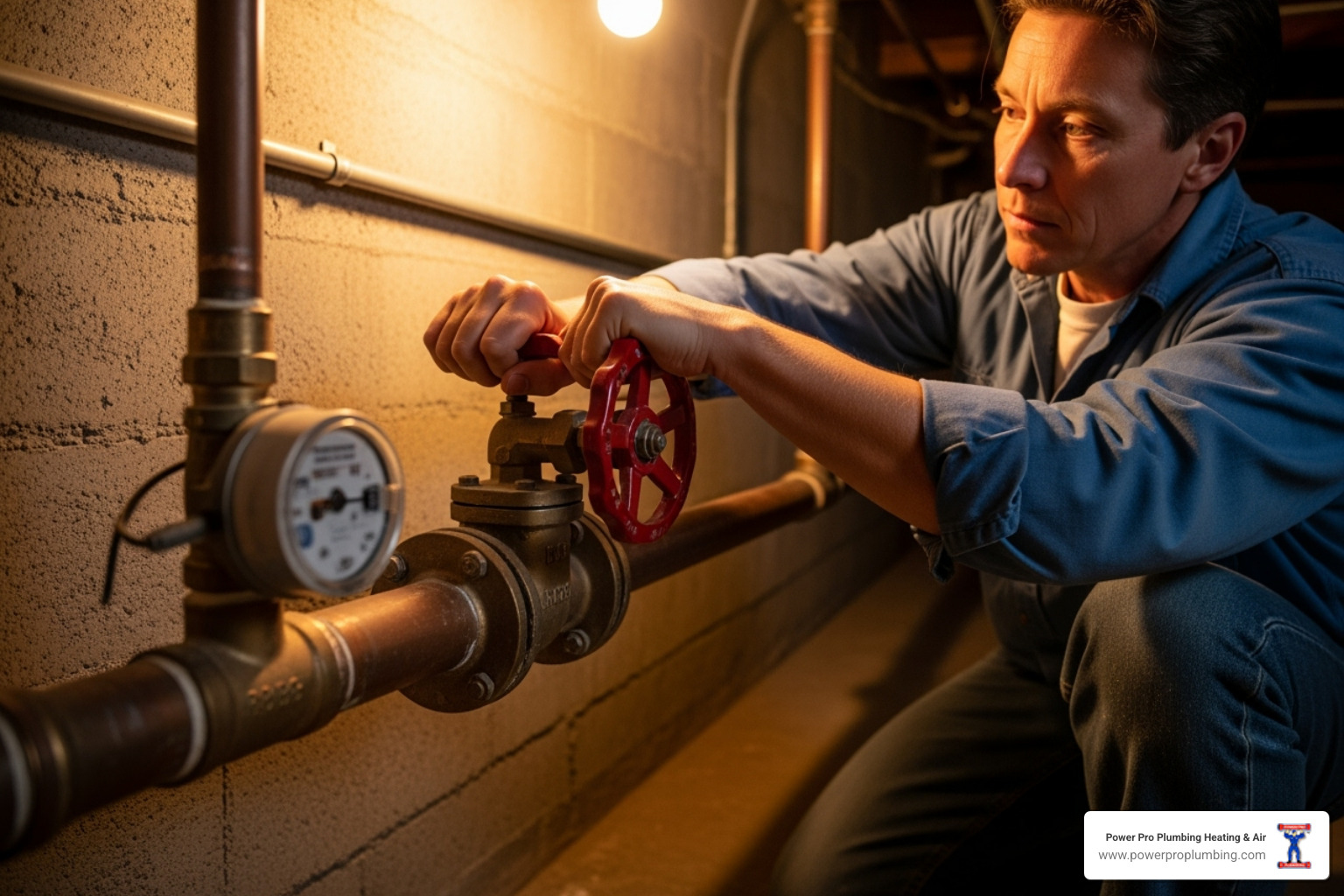
When faced with plumbing issues, homeowners often find themselves at a crossroads: should they repair the existing pipes or opt for a full replacement? The decision can be daunting, particularly because it involves not just immediate costs but also long-term implications. Understanding the nuances of pipe repair and replacement is essential when managing your home’s plumbing system.
Understanding the Problem
Before making a choice, it is crucial to understand what problems you might be facing. Common plumbing issues include leaks, corrosion, and blockages. Leaks can occur due to wear and tear or damage from external factors such as tree roots invading the pipes. Corrosion often affects older metal pipes, leading to reduced water quality and pressure. Blockages might stem from debris build-up or foreign objects lodged in the system.
Each problem may require a different approach. For instance, a small leak in a well-maintained pipe might only need a simple patch job, while extensive corrosion could necessitate replacing entire sections of piping.
The Case for Repair
Repairing pipes is typically less expensive than replacement. In many cases, hiring a licensed plumber for repairs can yield quick results without disrupting your home life significantly. For minor leaks or clogs, options like trenchless technology provide effective solutions without extensive digging.
Moreover, repairing pipes can preserve the integrity of your existing plumbing system if handled properly. A skilled plumber can often diagnose the issue quickly and recommend effective measures that extend the lifespan of your current infrastructure.
Consider this example: A homeowner discovers a small leak under their kitchen sink. A professional plumber assesses the situation and finds that tightening connections resolves the issue completely. The cost of this simple fix was minimal compared to what might have been spent on replacement work.
When Repair is Ideal
Minor Leaks: If detected early, small leaks can often be repaired easily. Localized Damage: Issues limited to one section of piping are usually more economical to fix rather than replace entire systems. Preventive Maintenance: Regular maintenance can identify potential problems before they escalate into significant concerns. Age of Pipes: If your pipes are relatively new and in good condition overall, repairs may be more suitable. Budget Constraints: Sometimes immediate budget limitations necessitate opting for repairs over replacements.The Case for Replacement
While repairs can be effective for specific problems, there are scenarios where replacement becomes not only necessary but beneficial in the long run. Older homes with aging plumbing systems may suffer from multiple issues concentrated in various areas; replacing these old lines could save money over time by reducing future maintenance needs.
Replacement also offers an opportunity to upgrade materials from outdated options like galvanized steel or cast iron to more durable alternatives such as PVC or PEX piping. These modern materials offer better resistance against corrosion and freezing conditions.
For example, consider an older home with frequent sewer backups due to deteriorating clay pipes underneath its foundation. In this case, investing in trenchless pipe repair technology could allow for replacing those aging lines without extensive excavation work around your property.
Situations Favoring Replacement
Extensive Damage: When multiple sections of piping show signs of failure. Chronic Problems: Frequent plumbing issues often signal systemic problems best solved through replacement. Outdated Materials: Homes built with older materials that are no longer viable should consider upgrades. Improved Efficiency Needs: Replacing old systems can enhance efficiency and lower utility bills through better water flow. Long-Term Investment: Replacement may offer better value over time compared to continual repairs.Cost Considerations
Cost will always play an integral role in decision-making regarding plumbing issues. Repairs are generally cheaper upfront; however, they might not address underlying problems that could lead to recurring expenses down the road.
On average, minor repairs can range from $100 to $500 depending on complexity while full replacements may start around $1,000 and go significantly higher based on material choices and labor costs involved.
One aspect worth considering is how much inconvenience you’re willing to endure during repair versus replacement processes as well as potential disruptions such as having limited access to water during work hours — these factors influence both budgetary constraints and lifestyle comfort levels during repairs or replacements.
Assessing Your Plumbing System
Conducting an assessment of your plumbing system is critical before making any decisions about repair or replacement options:
- Age of your Plumbing: Knowing how old your piping is helps gauge its remaining lifespan. Type of Materials Used: Researching whether you have outdated materials like galvanized steel versus modern options will inform future decisions. Current Issues Faced: Keep track of any leaks, clogs or other problems that arise frequently; these patterns will help identify whether repairs suffice or if major action needs taking soon.
Engaging with a licensed plumber for a thorough inspection provides invaluable insights into how best to proceed based on actual conditions observed within your home’s infrastructure emergency drain cleaning instead of merely relying on assumptions alone about what requires attention next.
Making Your Decision
In deciding between repair and replacement options for damaged pipes within residential settings—considerations include not just immediate costs but also potential impacts on property value due maintenance choices made over time along with convenience factors throughout each process involved therein whether undergoing minor fixes versus complete overhaul projects altogether too!
Ultimately finding balance between maintaining budgetary constraints while ensuring long-term viability lies at heart when evaluating both routes available ahead!
Consultation with experienced plumbers will always yield greater clarity surrounding unique circumstances encountered thus far enhancing confidence moving forward toward whatever path chosen next!
Final Thoughts
Addressing plumbing issues effectively means weighing all available options carefully—balancing short-term needs against long-term sustainability goals ensures responsible stewardship over residential properties today! Homeowners who take proactive steps toward assessing their situations invite positive outcomes regardless which route ultimately taken thereafter too!